A sarcastic look at brain stacking, our obsession with self-improvement, and why we can't just enjoy a damn book in peace.

Somewhere on TikTok, a woman is reading a book, working on a crossword puzzle, and journaling for ten minutes. She's calling it brain stacking, because obviously, we've reached the point in human history where having hobbies requires a rebrand.
I don't know whether to laugh or be concerned that we've become so dependent on our phones that doing something without one is now considered a noteworthy achievement. But here we are, watching people rediscover the joys of puzzles and paperback novels like they've just unearthed some ancient civilization's secret to happiness.
Don’t get me wrong, I'm all for spending less time mindlessly scrolling through the internet—my own screen time report has occasionally made me question whether I should be allowed to even own a smartphone. But I find it hilarious that we've managed to turn one of the most ordinary aspects of being human into another self-improvement trend. We've apparently become so uncomfortable with the idea of enjoying ourselves without a measurable benefit that even our hobbies need to come with a sTraTegy.
At this rate, I'm convinced we're about six months away from someone reinventing sitting on the porch and calling it environmental mindfulness.
Anyway…here’s some thoughts.
So, what the hell is brain stacking?
In a November 2026 article for The New York Times, Makaelah Walters explored the growing TikTok trend of replacing mindless scrolling with short, structured sessions of mentally engaging activities. The general idea is to spend less time consuming whatever nonsense the algorithm has decided you need to see today and more time participating in activities that require a little thought, creativity, or attention.
Maybe you journal for ten minutes before working on a crossword puzzle. Maybe you read a few chapters of a book, practice a language, or finally pick up that knitting project you enthusiastically purchased supplies for eight months ago. Some participants use timers to move between activities, while others arrange their hobbies into aesthetically pleasing little setups complete with candles, fancy pens, and enough coordinated stationery to make your head explode.
I'm not opposed to any of this, btw. If getting off your phone and doing something enjoyable makes your evenings feel better, I'm all for it. I have several abandoned creative projects that could probably benefit from this level of enthusiasm.
What fascinates me is how we've reached a point where choosing to do something other than scroll through social media has become a cultural movement.
Your brain likes hobbies. Groundbreaking stuff.
Before I get too carried away making fun of the terminology, there is legitimate psychological research supporting the benefits of engaging in leisure activities. So, despite my skepticism toward the branding, brain stacking isn't without merit.
In a 2026 review published in Brain Sciences, Rizzuti and colleagues examined how different leisure activities contribute to cognitive reserve, which refers to the brain's ability to maintain functioning and adapt to changes associated with aging or neurological conditions. Their review connected participation in cognitive, physical, and social leisure activities with better cognitive functioning and emotional well-being, although the researchers acknowledged that much of the existing evidence is observational.
Translation? Reading, learning something new, creating art, and spending time with people you enjoy are generally good for you. Scientists have been studying the benefits of leisure for decades. I just find it amusing that we've managed to repackage this knowledge as an exciting new lifestyle trend.
What interests me more, from a social science perspective, is how we've gradually changed the way we talk about these activities. Reading isn't necessarily just reading anymore. It's improving our attention span. Journaling is emotional regulation. Knitting is mindfulness, and taking a walk becomes an opportunity to optimize our physical and psychological well-being.
I'm not suggesting those benefits don't exist; they do. But whenever and wherever, we started treating enjoyment as an insufficient reason to do something.
I mean, Jesus. Can we crochet an ugly scarf without having to justify its contribution to our neurological development?
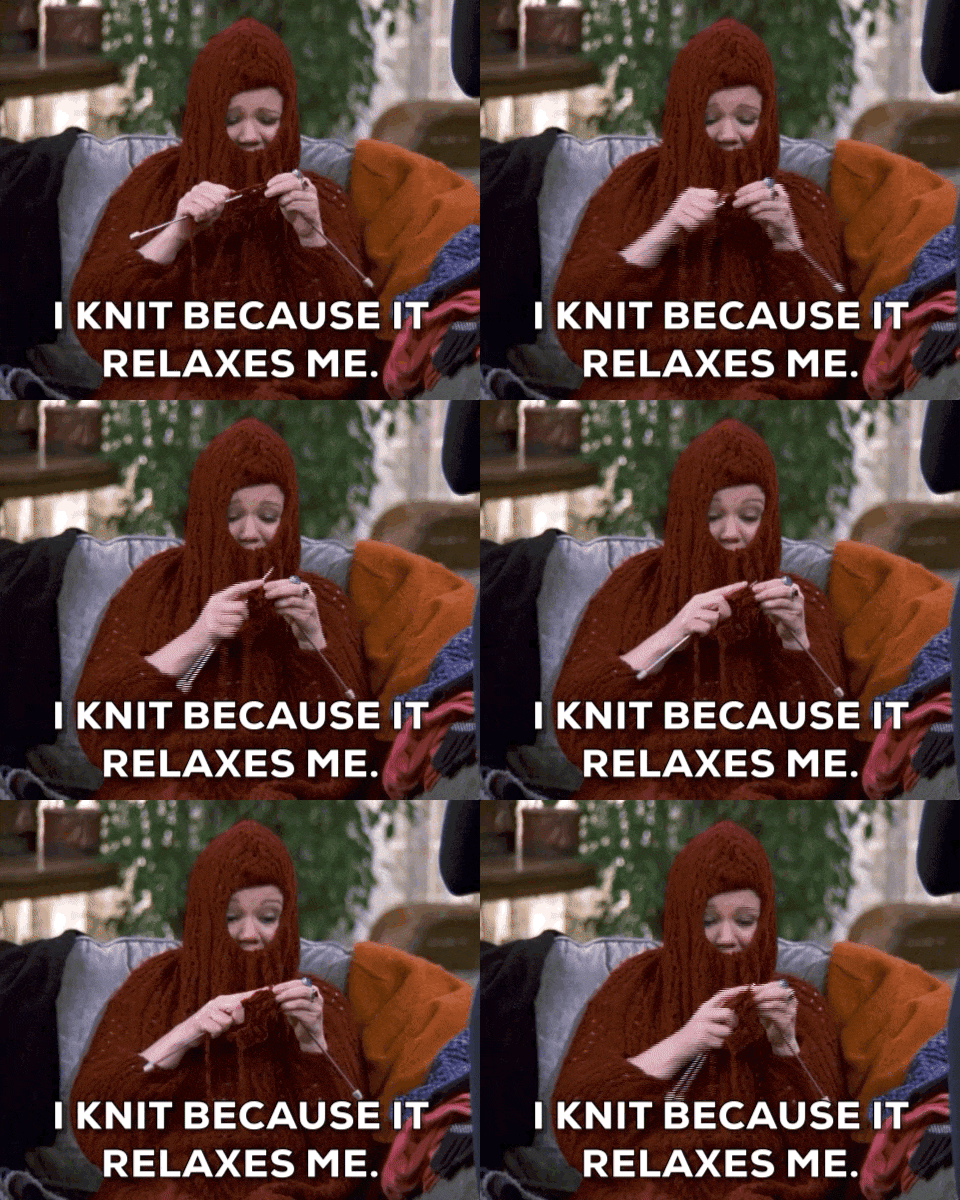
When did having fun become another assignment?
There's a difference between intentionally making time for activities we enjoy and approaching every available hour as an opportunity for self-improvement.
In a 2026 study published in Work & Stress, Rutten and Wehrt investigated how unfinished work and anticipated workloads interfere with people's ability to enjoy their leisure time. Using a 14-day diary study, they explored how work-related concerns could carry over into nonworking hours, contributing to negative thoughts and making leisure activities less enjoyable.
Essentially, work has a remarkable ability to follow us home and make itself comfortable on the couch, even when nobody invited it.
While their study wasn't about brain stacking specifically, I think it raises an interesting question about how we approach our free time:
If we're already struggling to mentally disconnect from our responsibilities, what happens when we begin treating leisure as another responsibility?
Consider how many of our hobbies have quietly acquired performance expectations. We track how many books we've read, measure progress toward creative goals, and turn perfectly enjoyable activities into elaborate routines that we're supposed to maintain consistently. Hell, even doing nothing has been rebranded as intentional rest, which sounds suspiciously like something you'd put on your calendar between meetings.
And now we're setting timers to ensure we're enjoying our hobbies efficiently.
There's a certain comedy to all of this, but I also think it reflects something worth examining about our relationship with productivity. We've become so accustomed to measuring the value of our time that leisure sometimes feels like it needs a purpose beyond enjoyment.
The irony is that many of us are seeking relief from overstimulation and burnout while simultaneously adopting another structured approach to improving ourselves. We're exhausted by the expectation to constantly accomplish something, so we develop a system to make sure we're accomplishing relaxation.
It's a beautiful little mess we've created.
Maybe the problem isn't our brains
One of my favorite things about brain stacking is that we're learning about it through the very platforms we're supposedly trying to escape. TikTok is now teaching us how to stop using TikTok, and I feel like the irony deserves its own research grant.
I appreciate the encouragement to step away from our screens, but I'm not convinced we need another personal responsibility framework to address a problem that is, at least partially, environmental. Social media platforms are designed to capture and retain our attention. Their recommendation systems continuously learn what keeps us engaged, and the business model generally benefits when we spend more time consuming content.
So instead of having a larger conversation about why disengaging from these platforms can feel so difficult, we develop increasingly elaborate routines to reclaim the attention they're competing for. We put the burden of managing our attention entirely on ourselves, give the solution a catchy name, and then share it on the platforms that helped create the problem.
There's probably a metaphor in there somewhere, but I'm too busy trying to figure out whether my next hobby needs a timer.
For what it's worth, I don't think brain stacking is a bad idea. I think it's a perfectly lovely idea with a ridiculous name, and if the trend encourages people to reconnect with activities they genuinely enjoy, I'm happy to support it!
Buy the fancy pens. Light the candle. Organize your books into a cute little pile and spend the evening doing something that makes you happy. I don’t careeeee. Just don't forget you're allowed to enjoy things without turning them into another “omg, I need to do this” list.
You can read a book without finishing it, paint something hideous, or spend an entire afternoon working on a project that has absolutely no potential to become a side hustle. You're also allowed to sit outside and do nothing if that's what you’re into.
Not every enjoyable experience needs to contribute to your personal development. Some things can exist for no other reason than the fact that you like doing them. And maybe that's the part worth remembering as we continue inventing new ways to convince ourselves that ordinary human experiences are revolutionary wellness practices.
Your brain doesn't necessarily need another productivity hack disguised as self-care. Maybe you just need to go do something you enjoy and stop making such a big damn deal about it.
Do you stack?
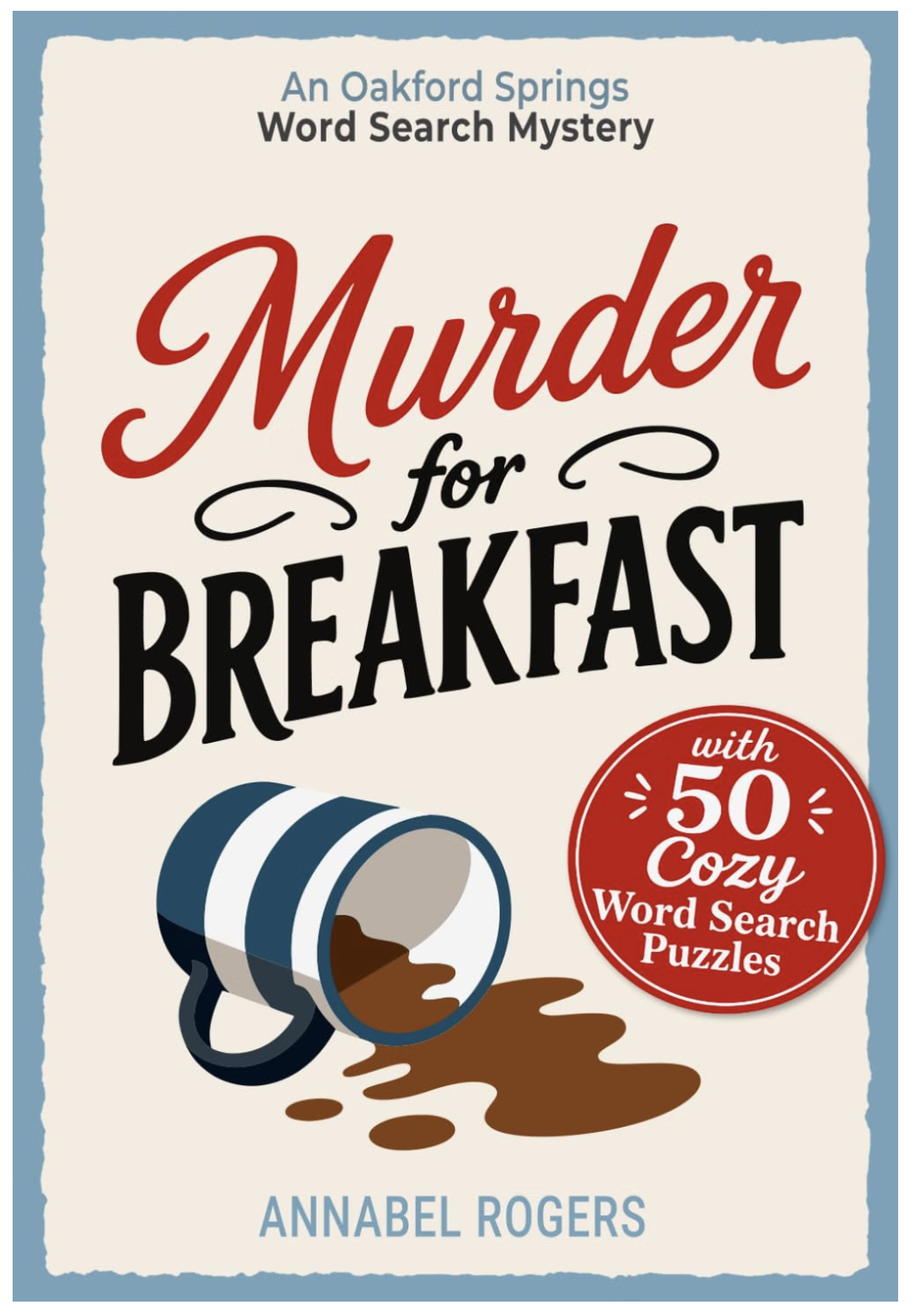
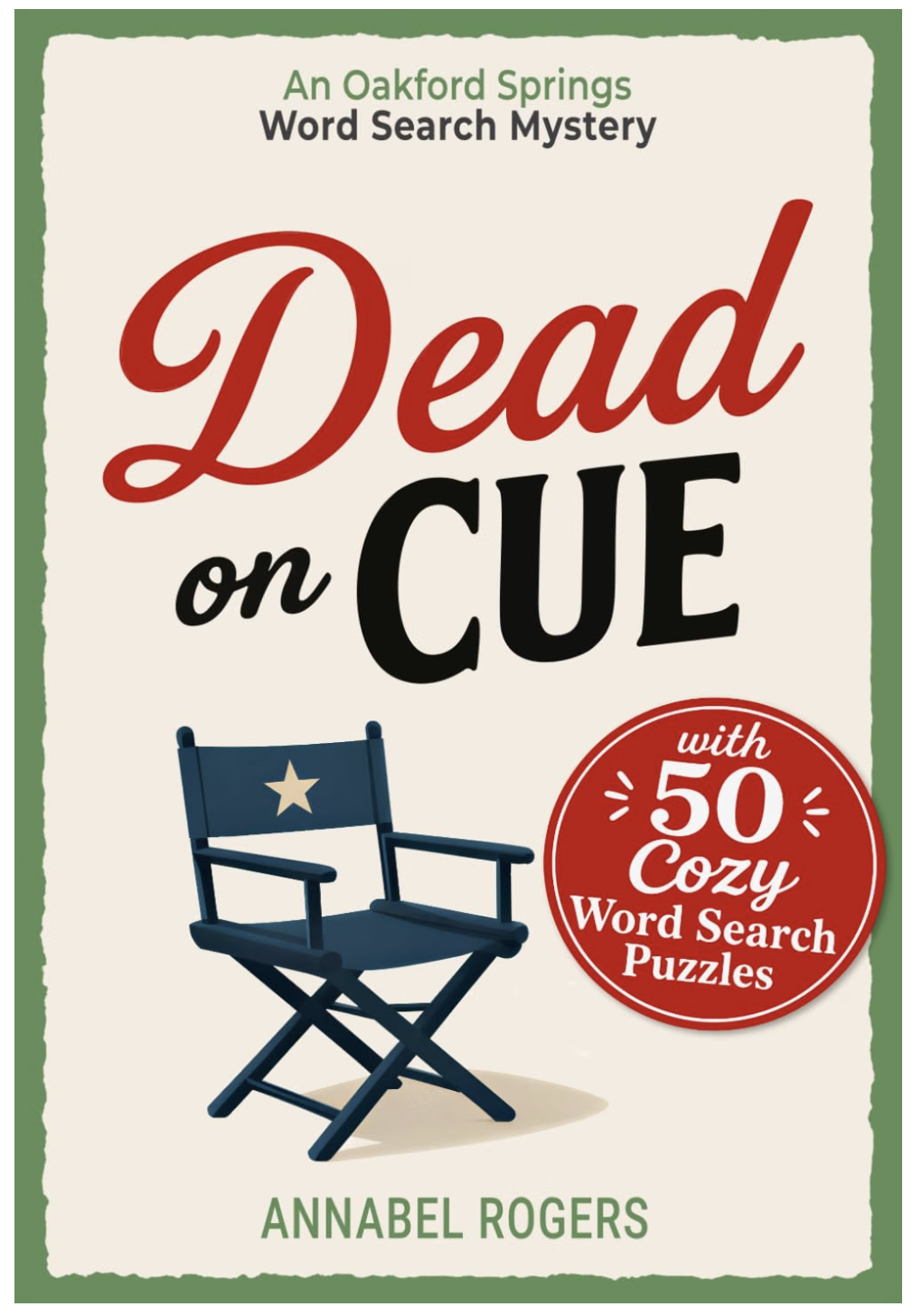
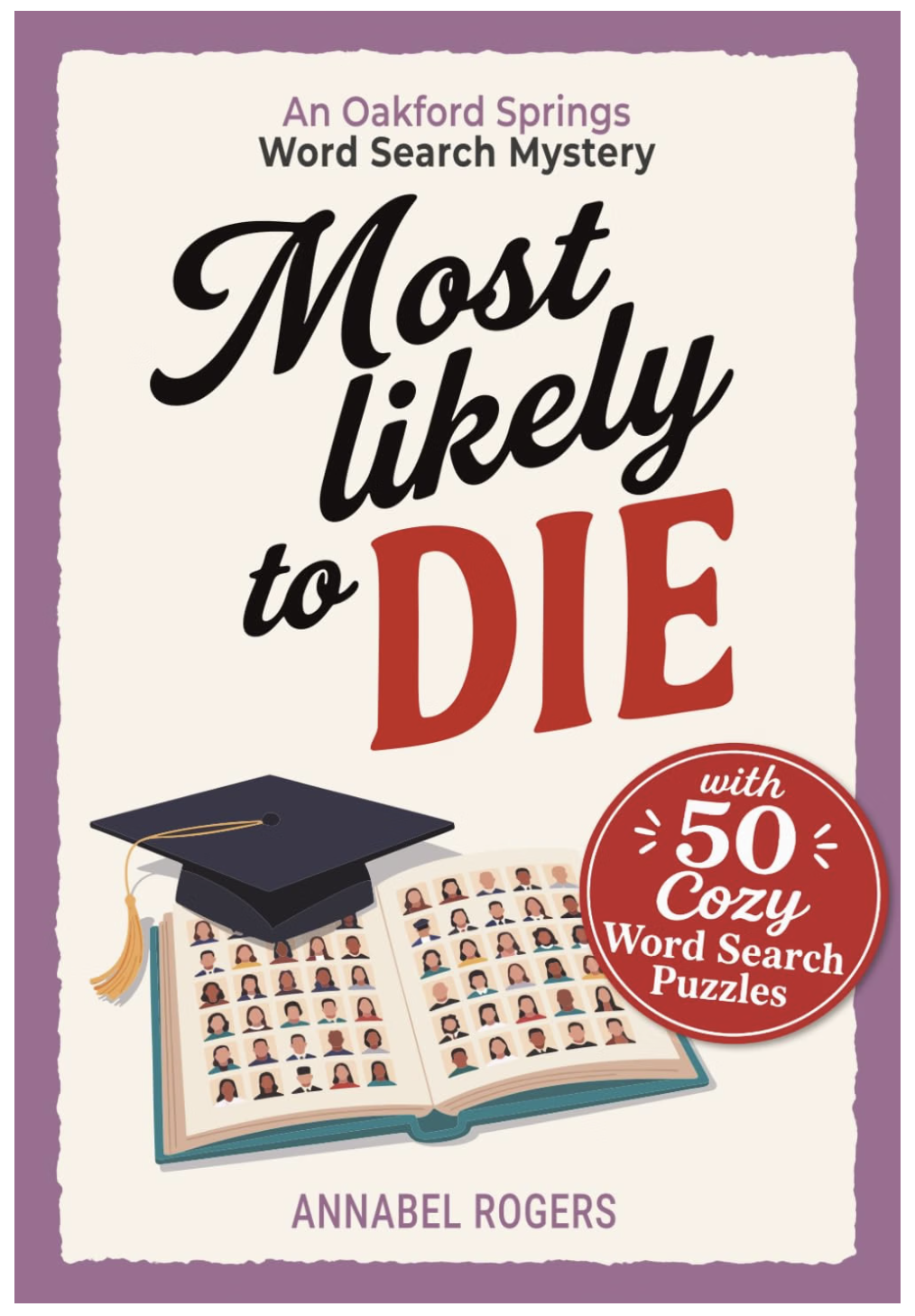
I’d love to sit here and chat further, but I have to go start these.
References
Rizzuti, M., Berretta, E., Gosti, V., Baglioni, C., Serra, L., & Gelfo, F. (2026). Leisure activities: A narrative review of established evidence and new perspectives on the cognitive reserve framework in healthy populations across the adult lifespan. Brain Sciences, 16(10), 1031. https://doi.org/10.3390/brainsci16101031
Rutten, R., & Wehrt, W. (2026). Leisure under lock: Cognitive activation and motivation erosion as mechanisms undermining experiential quality of leisure time. Work & Stress. https://doi.org/10.1080/02678373.2026.2722069
Walters, M. (2026, November 11). Is brain stacking, TikTok's new trend, the cure to doomscrolling? The New York Times. https://www.nytimes.com/2026/11/11/style/brainstacking-tiktok-hobbies-brain-rot.html
JUST A NOTE! some links are affiliate links, meaning I may earn a small commission if you buy something. capitalism, but make it mutually beneficial.